
In continuing my theme of escape, this week I have the prologue and an excerpt from my memoir, “Fall over Blackwords.” I hope you will enjoy.
Prologue
I’m a woman with no country. This is the plight of the American descendants of slaves. This is the reality for me, for my kids, my parents, every living person on my family tree. We, like so many, do not know where we came from. And, especially now, it hurts. Most viscerally now in a time when, like so many times before, we are screaming at the tops of our lungs to be seen, to be heard, to be valued. But we are still not universally seen, heard, or valued. So what do you do when the peril on home soil is so great that you fear for your future, and the future of your children? Where do you go? The English that we speak, that was thrust upon us by our captors, only serves to bind us more steadfast to our oppressive history we long to escape from. Spanish is my gift to myself and my children. It’s an escape key, albeit an imperfect one. Latin culture comes with its own history of division and oppression. And I feel the plight of the heritage Spanish speaker in America each time I’m made to feel my heritage dialect is somehow less than, or inferior to the standard. Spanish is a language that comes without stigma for me, but one that carries a heavy burden for some heritage speakers here at home. But ultimately, Spanish for my family means access to 460 million native speakers worldwide. Another way, another worldview, an alternative we may sorely need to exercise one day.
The art of memoir, they say, is a journey. A journey that the narrator must convey in her storytelling. And in my case, a journey for the author. Not only in the collection of stories that I chose to deliver my narrative but a journey in the uncovering of something I didn’t realize. While the journey of my life has origins dating back 40 years, the journey of writing this book spans a mere 30 days where I struggle to make sense of the myriad of highlights and lowlights that forge together forming my identity. I emerged as a changed woman. Perspectives I once held with such certainty have been re-shaped, re-written, and forever changed for the better. My story is for every excellent black woman who dared to belong, and for whoever decided to love her.
An excerpt from Fall over Blackwords, covering my first international escape with my future husband…
Fall 2010
When Vincent was forced into using his vacation time lest he lose it, he booked a flight back to South America. No doubt he would return to Chile, but this time Argentina was also on the itinerary. He invited me. Our relationship was new and this month apart would be our first real test. A week long meetup during the last leg of his trip would be the perfect romantic reunion and our first international trip together. Previous getaways to Costa Rica, then Puerto Rico, gave me a moment to put my Spanish skill set to the test around and about town in cabs, restaurants, and hotel front desks. But Chile would involve booking rental cars, navigating roadways, and securing a vacation rental. High stakes, and steeper consequences than ordering a meal for sure. Vincent handled everything. I felt uneasy and unhelpful to be relegated to a passenger after a lifetime of holding the reigns of my own adventures. It was equal parts disconcerting and mesmerizing. Vincent’s spanish was effortless. After a 3 week head start, I joined up with a man in full immersion mode. He’d say he was unsure but I couldn’t tell: flawlessly boarding exit ramps, reading road signs, negotiating the terms of our short term rental, and gracefully fumbling with the unfamiliar manual gear shift of our standard issue hatchback.
I’ll admit, I felt a bit out of my element on this trip. Once upon a time, I might have considered myself traveled, even worldly. But I had never been truly immersed in where I was traveling. On this trip, I was welcomed by locals as their guest instead of a tourist. Unexpectedly, this came with a bit of discomfort. Tourism in the past allowed me to be my same old American self, honoring what I considered appropriate meal times, menus, and customs. Not to say I was the type to order lasagna in Japan, but I was suddenly very aware of my leanings towards americanized foreign food. On the evening of my arrival after 12 hours of travel and minimal sleep, all I wanted was a bottomless glass of something cold, some comfort food, and a nap. Instead I got a promise of a dinner party at a friend’s which turned out to be planned, prepared and ultimately served from the hours of 8-11pm. “Once” (pronounced like the end of BeyONCEs name) is very common in Chile, when friends and family gather for coffee, tea, and anything from light fare to a full blown meal in the late evening hours. Unfortunately, by the time once was served I was a head-achey hangry mess. I was struck with an inescapable discomfort which I feared was related to decades of an amer-centric upbringing. I ate but felt unsatisfied, I smiled but didn’t get the jokes. My future husband seemed to thrive while I was struggling. I apologized for my lack of communication, blamed the long day of travel and eventually retired, plagued by the unshakable feeling that I still had so much more growing to do.
Christian was a trip highlight for sure. Not unlike Vincent and I, he, too, is on a quest for achieving balanced bilingualism. One evening, in our city front condo, we prepared our own once of sorts, combining store bought frozen pizza with dried meats, cheeses and wine. Christian and I were the only two who imbibed, and with loosened, uninhibited tongues began to discuss all a matter of topics in combined broken English and awkward Spanish. I tried my best to keep the conversation in Spanish as Carla, Christian’s girlfriend, spoke no English. But it was a refreshing relief that when my words failed me, Christian helped meet me halfway with his English know-how. Christian enjoyed the opportunity to practice some English conversations, and Vincent readily chastised me for use of slang and idioms that I didn’t immediately recognize as problematic in our discourse. Idioms are hard because the words themselves fail to give any indication of their meaning. They’re unpredictable and they’re everywhere, gliding off your tongue without even knowing you’ve done so. I found comfort in having Christian there, giving me the assurance that one way or another, we can communicate.
My sister often teased me, “You used to speak Spanish all of the time, any chance you could get, but after you met Vincent, it all stopped.” It didn’t stop, but my competitive nature compelled me to perceive Spanish fluency as some bizzaro competition, one I was losing. Rather than open my mouth and reveal all doubt, I quietly conceded defeat, cowering in the presence of his fluency. We tried on occasion to host our own immersion weekends, sticking to Spanish only communication while lounging about on lazy Sunday afternoons. But it never stuck.
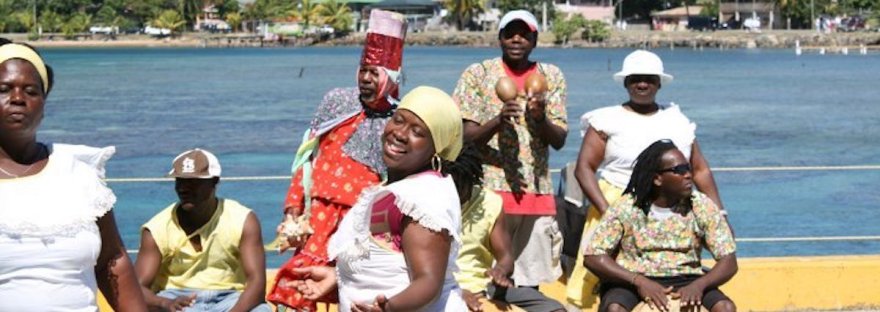
Our next international trip, a failed group tour a few months later that disintegrated into an unexpected couples cruise, landed us on the unfamiliar shores of Roatan, Honduras. We were greeted with African drum rhythms, caribbean dance, and Spanish-speaking Black natives. The head-bob, hip-swing worthy music begged us to join in. Before I could catch my breath, Vincent was busy negotiating travel arrangements with the local drivers. We skipped the cruise line excursion offers specifically for this moment. Vincent’s savvy saved us money and ensured a unique affordable adventure. Unfortunately, time constraints for disembarking stole the chance of renting a car for an authentic exploration of our port of call. So we settled on a taxi ride to a nearby resort offering affordable day pass access to their amenities. Vincent indulged in an ocean front massage while I got my hair braided. We rinsed off the sand and enjoyed a pool side lunch buffet with all the makings of a typical caribbean feast. It felt familiar, a little Cuban, a lotta Jamaican. The culture shock this time is less severe. In fact, the only shock was just how African our hosts turned out to be. The simple meal of fish, peas, and rice left me satisfied. The syncopated cross rhythm of nearby drums afforded me a familiar comfort so far away from home. The taut, able fingers, stitching my hair into tight flat rows upon my scalp were not so different from my mothers. I was struck by the unshakable feeling that I was not so far away from where I needed to be after all. ✵
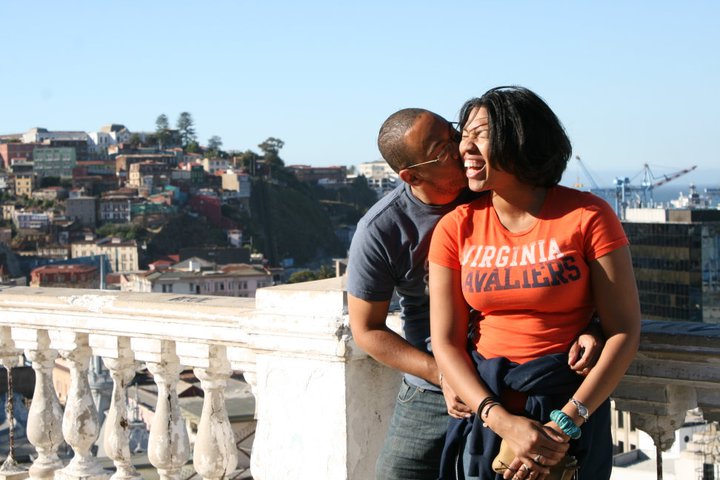
Thank you for reading this excerpt from my book and into my life.


In the competition of writing you beat me hands down. I’m so proud of your journey into composition. Keep up the good work.
LikeLiked by 1 person