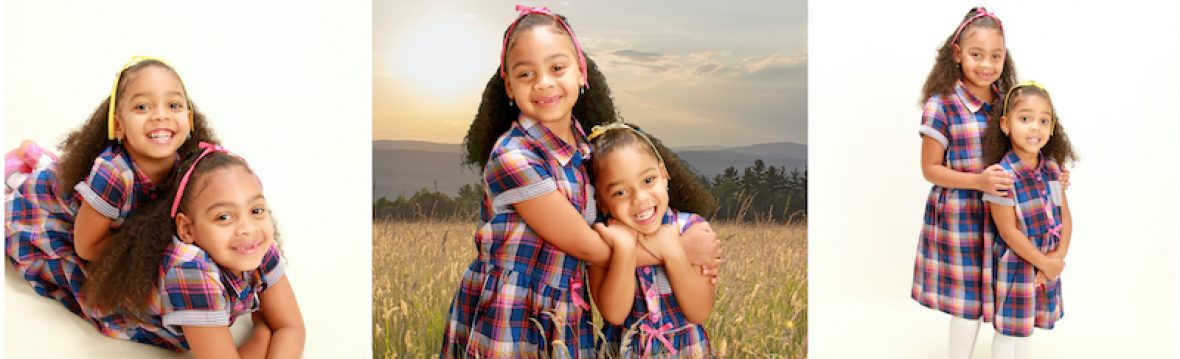
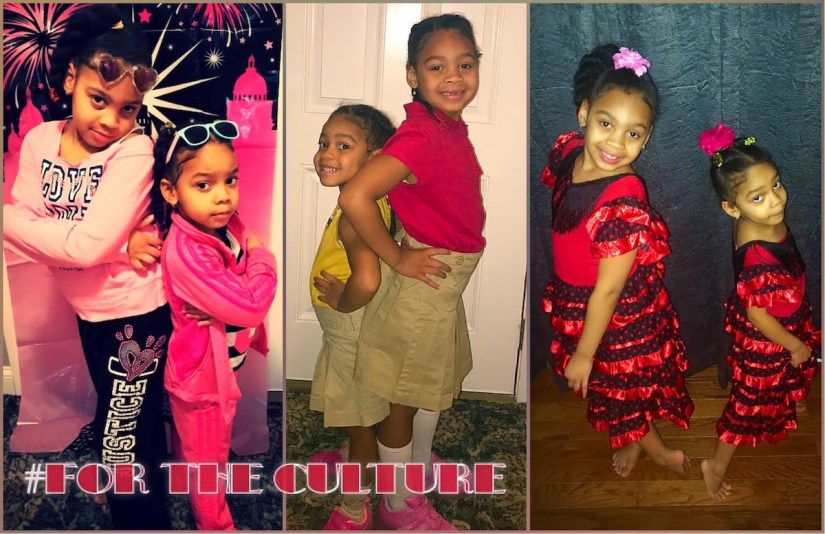
I spent a long time up on a very high horse where bilingual parenting was concerned. I couldn’t bring myself to understand how so many bilingual friends were not instinctively sharing their second language with their kids from birth. It was such a no brainer for us, and we had to really WORK to gain our second languages in the first place. Where were all the native Spanish speakers in our bilingual preschools and elementary immersion programs? Why so much hesitation? It wasn’t until I did my research, and sat down with a heritage Spanish speaker and relatively balanced bilingual that I began to understand.
For me, Spanish is just an extra, a system of communication, a code that I long to crack. It’s an instant resume booster, and a gold star on my children’s transcript for the rest of their lives. It carries with it none of the stigma, the cultural significance, and heaviness that comes along for the ride for heritage speakers, immigrant families and the children of those immigrants. For many of them, they came to learn English in haste as a youth, when no adults in their household could help them out. There was no time to waste spending half of the school day in a Spanish immersion classroom when the goal was to get to grade level English curriculum. Spanish, at best, was a language used at home with family with English being the public language of academia and eventual career advancement. The community at large screaming “speak the language!” and every day pushing them into compartmentalizing Spanish out of the public eye. Or, in the case of one Afro-Latino I know, the Latin community at large screaming “you’re not Latin, speak YOUR language” further pushing his use of Spanish behind closed doors with blood relatives only. When I made the leap to liken Spanish bilingualism to my Black English usage, I believe I truly gained a respect and appreciation for the weight and conflict embedded in Spanish speakers’ decision to promote or suppress bilingualism in their child rearing.
I grew up suburban with a rural born father and an army brat mom. The early audio recordings of my speech are Black English at it’s finest. But years in suburban schools, surrounded by mostly white, Standard English speakers afforded me few informants of Black English outside of family. In college, I found a home away from home, and a family in the tight knit black community within a predominantly white university. We all had access to BEV (Black English Vernacular) in our upbringing, from the music, from our birth homes, and we used it accordingly: amongst one another. Never in the classroom or office hours, or wherever there may be mixed company. The effortless code switch defied conscious knowledge of when, why, or how it would manifest. It just did. It still does. So now, as a parent, I have to ask myself how much do I truly value my heritage dialect. It’s not revered as an official second language. It’s not something that my child can put on her resume. But there are certain social and professional situations when having access to an effortless code switch may impart a kind of cultural comfort, ease, and familiarity that only dialect fluency can convey. As a speech therapist, I consider my code switch just as important as my Spanish fluency when it comes to connecting and communicating with a variety of patients. In the Atlantic article (Julie Washington’s Quest to Get Schools to Respect African-American English) fellow SLP Julie Washington is described as recognizing and appreciating BEV in her work, even as it was forbidden in her own upbringing.
“Like many middle-class parents in the neighborhood, African American English [was held] in low regard— the dialect [was considered] a barrier to “mainstream” success— [and forbidden] in the house. But Washington picked it up from friends. Today she code-switches effortlessly and unremarkably.”
–William Brennan, re: Julie Washington, SLP, The Atlantic
No one in my house explicitly disregarded BEV. I have never been reprimanded for BEV nor criticized for Standard English use. Growing up in Sterling, us kids all [Black, White, Asian, Hispanic] pretty much spoke the same. But my husband Vincent grew up in urban DC, and caught criticism on both sides – speaking too “white” for the black kids, and worrying briefly in college that he didn’t speak eloquently enough for his university peers. We all have our own language journey that colors the way we choose to speak, and what we value enough to impart unto our children. So for me hearing my youngest decode my BEV Miss Sue from Alabama from “if it ain’t my boyfriend I ain’t home,” to “If it is not my boyfriend then I’m not at home,” broke my heart! Morgan has had more BEV exposure, staying with my parents more days, and an entire year longer (blame Covid) than Emory. Morgan is more aware of the code switch, and has the makings of a masterful bidialectal speaker someday. Emmy’s Spanish is more eloquent and effortless than Morgan’s at this age, and yet her heritage dialect is lacking. I will be working on it. For me, it matters. ✵
For those interested in exploring more about this topic, I recommend this article by Vinson Cunningham.

 Bilingual SuperNoVAs
Morgan really put a smile on my face
LikeLiked by 1 person